Ofcom Approve Satellite Networks to Deliver 4G and 5G to UK Smartphones
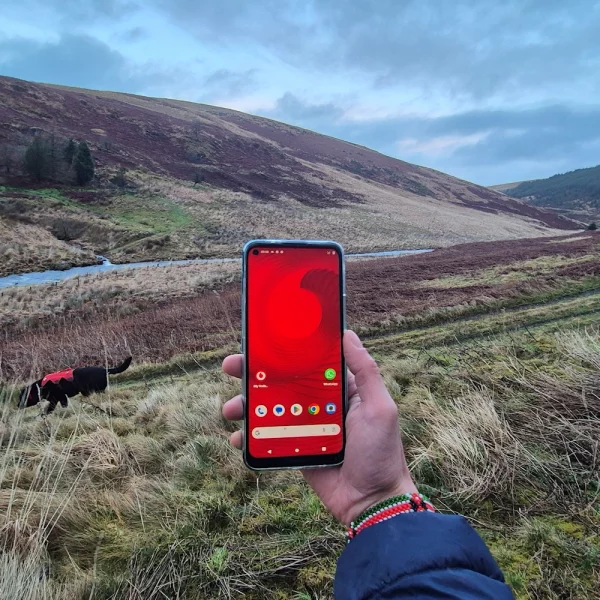
The telecoms regulator, Ofcom, has today approved UK mobile companies and satellite operators to join forces and use the airwaves (mobile spectrum bands) to support Direct to Device (D2D) services, which will allow standard unmodified Smartphones to connect via satellites to improve 4G and 5G (calls, texts and broadband) coverage in remote areas and roaming.
Several satellite-based broadband networks are currently developing services that can directly connect to unmodified consumer Smartphones via regular mobile spectrum bands. Some examples of these include Starlink’s Direct to Cell solution (e.g. O2 Satellite in the UK from early 2026) and AST SpaceMobile‘s deal with Vodafone. In fact, some phones, like the latest iPhone and Samsung handsets, already have a basic communication system that can work via satellite (e.g. for emergencies).
However, the licences held by UK mobile operators to provide communications services do not currently authorise transmissions from space. The introduction of D2D services in terrestrial mobile bands would have also raised a number of other issues, such as through the potential for an increased risk of interference between the satellite and the ground infrastructure of the mobile operators, as well as radars etc. But Ofcom believes they’ve found the solution.
Advertisement

The regulator’s previous work has uncovered plenty of support for D2D satellite services within the UK market, and they’ve today issued their final decision to authorise the aforementioned change(s). Any mobile network operator that intends to provide direct-to-device services will naturally still need to request a change to its existing Ofcom licence. But no licence will be needed by ordinary smartphone users to get a signal from space.
The decision also includes changes to avoid the shared mobile bands causing disruption (interference) to air traffic control stations and mobile networks in neighbouring countries.
Ofcom’s Decision (Full Statement)
To finalise the authorisation framework enabling D2D services in the UK, today we have decided to:
• Implement a condition requiring protection for 2.7 – 3.1 GHz radars, to be included in any 2.6 GHz licence D2D schedule.
• Implement the proposed licence conditions, with the addition of a coordination clause for any licence variation requests we may receive for operation in 2.6 GHz. The new addition is indicated in the version of the D2D licence schedule set out in Annex 3; and;
• Following completion of a licence variation process, make the Regulations relating to the licence exemption of mobile handsets that connect to a D2D satellite. Following consultation, we have not made any substantive changes to the draft final Regulations. A limited number of clarificatory amendments have been made, and these are indicated in the version of the draft final Regulations set out in Annex 4.
The new approach could be particularly useful for helping to connect people in some of the remotest rural parts of the UK, as well as around coastal waters, and to act as a backup in case of terrestrial network outages or when needing to contact the emergency services. Consumers may of course need to optionally pay a bit extra to benefit from such services, the details of which should follow next year.
David Willis, Ofcom’s Group Director for Spectrum, said:
“With satellite technology, in future you could send selfies from Scafell Pike, livestream from Lake Windermere, or browse bargains from Ben Nevis.
Mobile operators are already pressing ahead to the make UK the first nation in Western Europe to have widespread access to this technology, which will see remote and rural areas be better connected than ever before, unlocking opportunities for communities, businesses and economic growth.”
The regulator said they would review this authorisation framework after the next World Radiocommunication Conference in 2027 (WRC-27).
Advertisement






Mark is a professional technology writer, IT consultant and computer engineer from Dorset (England), he also founded ISPreview in 1999 and enjoys analysing the latest telecoms and broadband developments. Find me on X (Twitter), Mastodon, Facebook, BlueSky, Threads.net and Linkedin.









« EE Named Best UK Mobile Operator in New 2026 Network Test Study
Openreach UK Appoints James Lowther as New MD for Commercial »

















It’s great news assuming the service is affordable, although I don’t expect much indoor coverage from it. Lots of rural areas are still complete not-spots, this includes some villages around me here in Devon with 300+ residents. Despite all the hot air from the mobile networks and SRN promises, progress is still zero, been the same for 30 years, some areas are actually getting worse due to lack of maintenance and trees growing up around cell sites. Time for a different approach, hopefully someone will come up with a low cost ‘repeater’ device that can bring the satellite signal indoors.
What current phones will support this?
The telecoms regulator, Ofcom, has today approved UK mobile companies and satellite operators to join forces and use the airwaves (mobile spectrum bands) to support Direct to Device (D2D) services, which will allow standard *******unmodified Smartphones*******
As per Marks reporting
Apparently any iPhone from the 14 Pro and above.Not sure about Android phones but I’d assume some of the newer phones would.
“With satellite technology, in future you could send selfies from Scafell Pike, livestream from Lake Windermere, or browse bargains from Ben Nevis.”
Those are the *worst* reasons for this.
I have been to all three of those places and had full 4G signal with EE so could already do all those things if I wanted (I didn’t)
Maybe people can livestream to the emergency services to show the injuries sustained while not concentrating on what they were doing.
Reminds me of Dom Joly’s mobile phone sketches…
“HELLO! I’M UP A MOUNTAIN. I SAID A MOUNTAIN! NO IT’S RUBBISH.”
Brilliant
Great tech for covering places not viable to cover with masts, but we all know the networks will count this in their coverage targets and use it to avoid putting in proper coverage in rural areas.
It would be more useful if the Gov timed this with UK launched satellites to provide home grown competition.
Mapping progress should get more props, some mixed opinions in here.