London Full Fibre ISP G.Network Signs Boldyn Networks Partnership
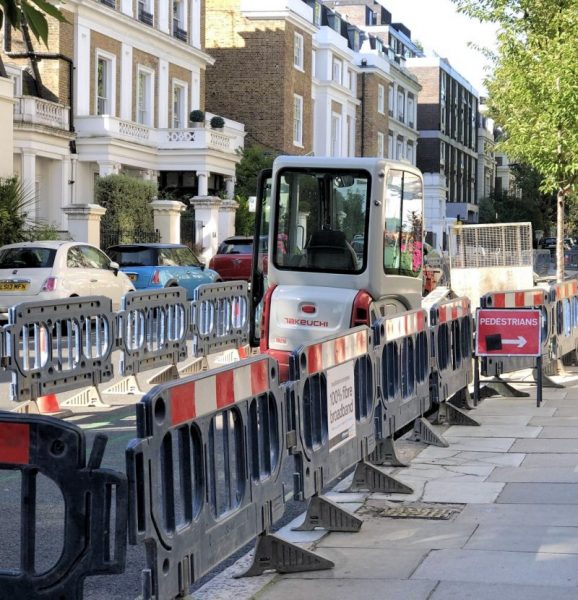
Network builder and broadband ISP G.Network, which recently resumed rolling out their 10Gbps capable Fibre-to-the-Premises (FTTP) network in London (here), has announced that they’ve signed a “strategic partnership” with digital infrastructure firm Boldyn Networks to help boost the city’s 4G and 5G small cell and fibre coverage.
Boldyn Networks is perhaps best known in the UK for helping to build a number of open access mobile and fibre networks, which also includes several projects in London. Suffice to say, it’s easy to see why they might want to harness G.Network’s infrastructure to help support this.
According to the announcement, some of the joint projects will include working together to enhance internet connectivity in congested mobile areas across London by delivering 4G/5G small cell provision. A capability that also provides a foundation for future smart cities use cases.
Advertisement
The partnership will also see G.Network support Boldyn Networks, the Greater London Authority and Transport for London’s (TfL) project to roll out improved fibre connectivity to London’s boroughs.
G.Network, CEO Kevin Murphy, said:
“Our exciting partnership with Boldyn Networks marks a significant moment in London’s digital transformation and an important step for G.Network. Together, we will demonstrate how smart infrastructure expertise, coupled with our gigafast network can turn the mayor’s vision for a better-connected London into a reality.”
Billy D’Arcy, CEO of Boldyn Networks UK and Ireland, said:
“We are delighted to be working with G.Network in our shared commitment to deliver London’s smart city ambitions, as we build a new fibre network across London in partnership with Transport for London. By harnessing the power of cutting-edge technology and robust infrastructure, we aim to unlock new opportunities for innovation, efficiency, and inclusivity, ultimately improving the quality of life for all Londoners.”
In terms of G.Network’s coverage, the last official progress update we had from the provider, which was all the way back in 2022, stated that they had covered 400,000 premises. But independent checking by Thinkbroadband has – as of January 2024 – so far only been able to identify around 248,000 premises as being ready for service (here).






Mark is a professional technology writer, IT consultant and computer engineer from Dorset (England), he also founded ISPreview in 1999 and enjoys analysing the latest telecoms and broadband developments. Find me on X (Twitter), Mastodon, Facebook, BlueSky, Threads.net and Linkedin.











« Connect Fibre to Put FTTP Broadband Live in 2 New Essex UK Areas
Telecoms Giant Vodafone UK Appoints Max Taylor as New CEO »















Comments are closed