Openreach Increases UK Prices on FTTP Broadband Products for ISPs
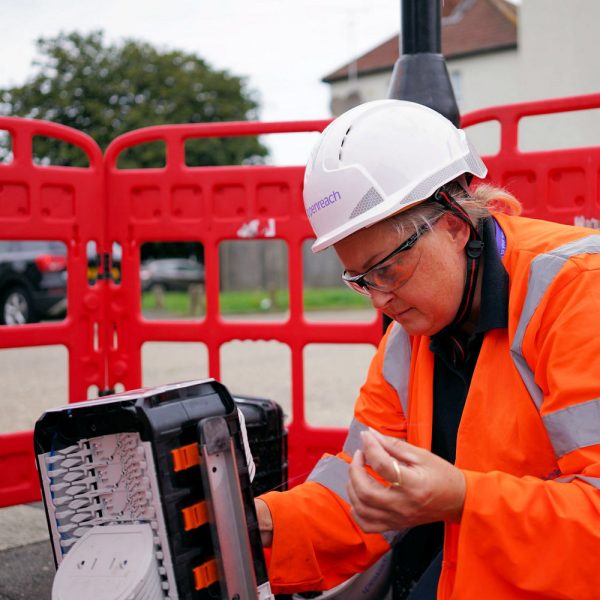
Network access provider Openreach (BT) has this afternoon announced some changes and increases to the prices of their various Fibre-to-the-Premises (FTTP) based broadband products for UK internet service providers. The changes are due to be introduced from 1st April 2026.
Openreach typically increase prices across their various products, usually by the CPI level of inflation (currently 3.6%), although this may differ between products due to various factors (discounts etc.) and there could also be some decreases. But often the changes mean that ISPs on the same network will need to pay more for the services they sell, which can also end up being passed on to consumers at the retail level.
As usual, it should be stressed that the price ISPs pay for the service at wholesale is not the same as the price customers pay at retail. This is because ISPs have to add all sorts of extra costs on top (e.g. 20% VAT, profit margins, network services / features / capacity etc.).
Advertisement
Sadly, there are too many changes to list, but we can give a few examples. For example, the standard annual rental price of Openreach’s 1Gbps (115Mbps upload) tier will be rising from £469.20 to £486 +vat. The changes also cover FTTP on Demand (FoD) and Cablelink / Ethernet pricing. Full details here and here.






Mark is a professional technology writer, IT consultant and computer engineer from Dorset (England), he also founded ISPreview in 1999 and enjoys analysing the latest telecoms and broadband developments. Find me on X (Twitter), Mastodon, Facebook, BlueSky, Threads.net and Linkedin.












« ITS Technology Appoints Paolo Benedetto as Chief Financial Officer

















Presumably most ISPs will be paying the Equinox 2 price (£273.15) rather than the £486 listed above. £486 is more than many ISPs charge their customers.
Yup,agree. My guess is that all the major ISPs are on Equinox etc and so these new prices are basically targeted at exploiting small ISPs.
Weren’t thy bringing down prices of tbh 1.2/1.8 packages?
In the early BT days price increases were limited to inflation minus to take account of the fact that the cost of technology falls. Now we see increases of inflation plus. Why?
Maybe to help with the billions of £ of investment to build FTTp
The very early days of regulation took place in the context of most people having no choice over provider and a regime that lowered prices forced BT to reduce its costs and become more efficient. This benefitted consumers until those price reductions threatened to put BT’s rivals out of business.
Once competition was well established – in the telephony rather than broadband space in those days – the regime had to change or ever lower BT prices would have created a new monopoly.
In 2025 a large majority customers have a choice of provider for connectivity. Regulation that made BT cheaper than all of them would not serve customers well.
Maybe to help plug the massive hole in their pension pot?
It’s evident that Openreach’s carriage fees are already too high, so that by increasing them further still is only going to exacerbate the problem of Isp’s jumping to rival fibre networks such as City Fibre with their lower carriage fees and more advanced infrastructure.
In areas where alternative networks exist, the vast majority of providers have defaulted to the rival network because they can offer their customers better prices, not to mention higher symmetrical speeds.
You then end up with very little choice on Openreach, this you are paying considerably more than you otherwise would and to add insult to injury, you have inflation busting mid contract price increases to boot.
If an end customer has a mid-contract price rise that’s because their ISP has raised their price. That’s not Openreach’s doing.
I don’t think you other point is true. There are hundreds of ISPs riding Openreach’s network – I don’t think altnets have the same number of wholesale ISP customers.