Study Claims UK Broadband Users Could Save £61.1m Monthly by Ditching Landlines
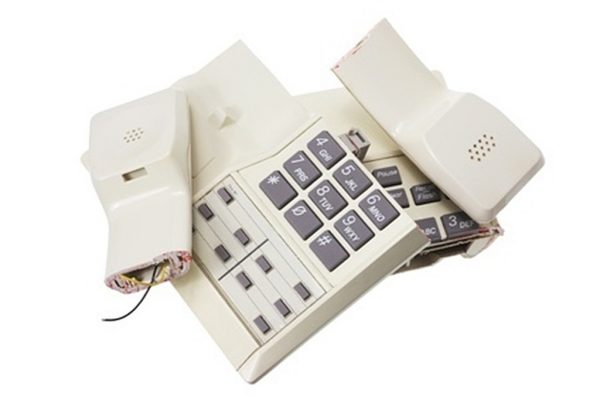
A new study from comparison site Go.Compare has claimed that broadband users who have a landline phone service included in their package could save as much as a combined £61.1m each month – across the UK – by switching to a non-landline deal (roughly £4.1 per month per user). But it’s not always quite so simple.
The study, which uses internal comparison data on the cost of packages (from January 2020 to February 2025), as well as data from the ONS and a recent (Feb 2025) survey of 2,000 UK residents conducted by YouGov, claims to reveal that around 21.4 million UK adults have a landline today (roughly 41% of the UK) and the majority (92%) of these are included in a broadband package. But only 24% of these users say they use their home phone regularly.
Currently, Go.Compare states that Brits can expect to pay approximately £27 per month for their broadband (average), yet the average standalone broadband package without a landline costs almost £50 less per year (c.£4 per month). This is also roughly about how much it costs to add a phone service to one of BT’s broadband-only packages (£5 per month extra).
Advertisement
Put another way, the survey suggests that UK adults who don’t regularly use their landlines spend £611.8m each month on broadband packages that include their home phone line. But by switching to a package without a landline, they could save £61.16m in total each month. That is said to work out to around £49.27 per person every year, or c.£4.1 per month.
However, only 2.7 million adults state that they plan to cancel their landline in the next year, which equates to roughly 13% of residents with a home phone line. But to be fair, many people retain a landline, even if they don’t use it much, for a variety of different reasons.
For example, some people like to keep continuity with historic contact records or intend for it to act as a backup – complementing mobile services. Some vulnerable users also retain it for telecare purposes and, in other locations, there may be few alternatives (e.g. no mobile signal or a lack of user familiarity with VoIP/internet messaging etc.). Equally, some users do still adopt landlines as their primary phone service.
For the more technically minded user and infrequent landline user, it may also be possible to use the switch to FTTP broadband as an opportunity to split your previous copped-based broadband and phone bundle into a broadband and independent VoIP solution. For example, you could order FTTP as a new service and then port your phone number on the copper line to a separate, and hopefully cheaper, VoIP platform. This would cancel the old copper broadband service too, but that won’t matter if you’ve already got FTTP installed.
Advertisement
In the end, this is a matter of individual consumer choice, and the savings per user are often quite small.






Mark is a professional technology writer, IT consultant and computer engineer from Dorset (England), he also founded ISPreview in 1999 and enjoys analysing the latest telecoms and broadband developments. Find me on X (Twitter), Mastodon, Facebook, BlueSky, Threads.net and Linkedin.











« BT Opens Final Office in Manchester to Finish UK Workplace Transformation















I find VOIP services can still be fairly costly if you want inclusive outbound minutes, although that seems to stem from allot of them being tailored towards businesses.
The main benefit I have with a separate VOIP service is that I can be with ISPs who don’t offer telephony, but the savings can be minimal, if any, compared to ones who do.
I just wish I could I could port my landline number to a SIM card and get a VoIP adapter for it, that would give me a real saving.
Note: on a personal level I could ditch the landline entirely and have done so in the past, unfortunately I live with someone who refuses to, even just retaining the landline for incoming calls and they use their mobile for outbound.
I’ve not had my landline for over 10 years now, I can assure you, I don’t get £61m every month…
Elderly people who have a tech savvy family member can save a fortune. I told my disabled elderly parents about VOIP after VM landline kept on made a crackling noise whenever it rained.
They switched to an alt-net and got a great deal: £10 per month that includes all UK landline and UK mobile numbers. They do not have to ring back after 60 minutes and call quality is crystal clear.
They save £18 per month compared to a standard landline.
Dropped physical landline when we gave up on poor ADSL and went 4G,ported number to Sipgate Basic. Now have FTTP broadband only, and after much resistance if we loose the free VoIP, have agreement to simply drop the old landline number, which is generally only used by nuisance callers.
Not sure on the numbers being stated here (£61.1m??) obviously a typo, but still have a landline on the premises and although typically don’t use it, having a business on that line (www.skydrivedigital.com) it is useful to have a backup.
We’ve got a landline bundled in with Virgin Media, which I don’t want and can’t imagine they really want me to have anyway, but according to them it’s more expensive renewing my package without it. So while I don’t use it, if it’s cheaper to have it and isn’t obtrusive, then I’m until they finally come to their senses, I’m keeping it!