NPL and Vodafone UK Trial Terrestrial Fibre-based Alternative to GPS Timing
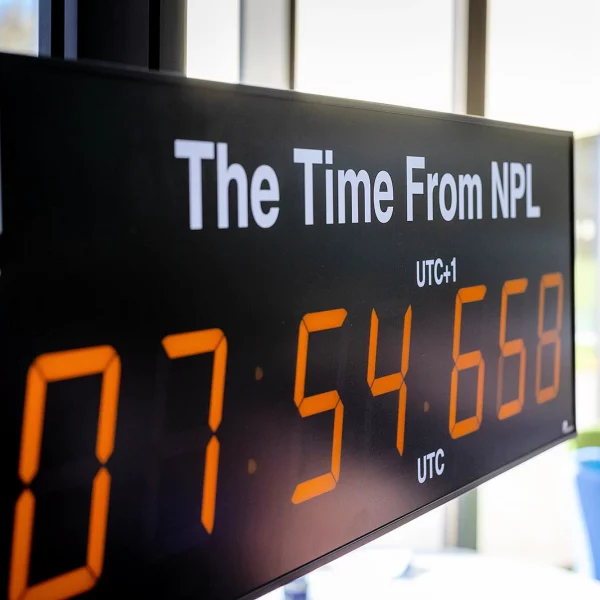
Broadband and mobile operator Vodafone has joined with the National Physical Laboratory (NPL) to successfully complete a set of trials using the NPLTime® service, which is a new terrestrial, fibre optic-based alternative to satellite-based GPS timing signals to help keep the UK’s critical digital and 5G / 6G mobile network infrastructure resilient and secure.
At present GPS and Global Navigation Satellite Systems (GNSS) remain the default for the telecoms industry, although there have long been concerns about the growing threats to satellites in orbit, such as from unfriendly countries and extreme solar storms. In response a number of projects have been developing terrestrial solutions.
As part of this, the government has also invested £155m to develop alternative ways of delivering accurate Positioning, Navigation, and Timing (PNT) solutions to complement GPS (here) – supporting everything from mobile (4G/5G) signals to in-car Sat Nav – and have put £6.9m toward better satellite optical links and 5G NTN solutions (here).
Advertisement
The new partnership being announced today feeds into this by adapting NPLTime, an end-to-end fibre-based timing service originally used by the finance sector (this has been live for 8 years), into a telecom-grade solution that is said to maintain accuracy within 40ns (nanoseconds), reducing reliance on GNSS (GPS) for time synchronisation.
The telecom version of the NPLTime service will need to meet stringent ITU standards for signal accuracy, stability, resilience and traceability. The new service will also aim to deliver a terrestrial reference signal that is traceable to UTC (NPL). VodafoneThree is now the first UK Mobile Network Operator (MNO) to test a terrestrial NMI-provided time source within its network.
Andrea Donà, Chief Network Officer at VodafoneThree, said:
“Our work with the National Physical Laboratory marks a significant step in reducing over reliance on GPS-based timing and strengthening the foundations of our future-ready 5G Standalone network. By testing a terrestrial timing solution we’re helping to ensure that our £11 billion investment delivers a network that is not only faster and more reliable, but also more secure and resilient for our customers.”
Dr Peter Thompson CBE, NPL’s CEO, said:
“Accurate and resilient timing is fundamental to the UK’s digital infrastructure. This partnership with Vodafone showcases how UK innovation can deliver secure and resilient timing solutions. By leveraging NPL’s expertise in time dissemination we are helping the telecoms sector to strengthen the foundations for future technologies.”
At the end of the trial, the new service aims to “meet the accuracy requirements of most sectors in the UK” and offer the potential for telecommunications operators to extend the reach of a UK sovereign time source to other industries. Vodafone intends to replicate the same telecom timing infrastructure across all its other markets around Europe in collaboration with European Metrology Institutes.






Mark is a professional technology writer, IT consultant and computer engineer from Dorset (England), he also founded ISPreview in 1999 and enjoys analysing the latest telecoms and broadband developments. Find me on X (Twitter), Mastodon, Facebook, BlueSky, Threads.net and Linkedin.




























Timing is an extremely complex and important part of comms. This advancement very much makes sense.
All well and good, but whats the backup? Having experienced issues when equipment failed to boot (stupidly designed equipment I hastened to add), I use gps as the prime, ntp as the backup.
I think NPLTime® IS the backup, which seems to be the idea here. Unless you mean a backup of the backup?