Vodafone UK warn London planning rules forcing 100 mobile sites offline in 2026
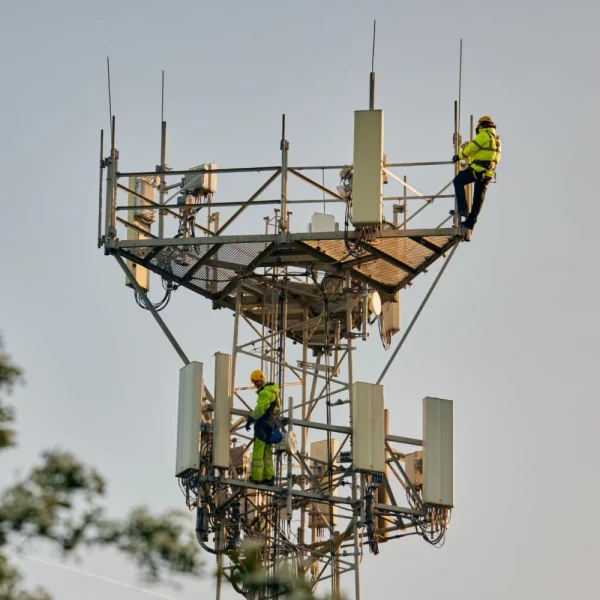
A new report from mobile operator VodafoneThree (Vodafone and Three UK) claims that London could be losing around £2.7bn a year in economic output because of bad “planning measures“, such as those that force them to take 4G and 5G network sites offline (masts and other cell sites) without first ensuring an appropriate replacement location.
The issue centres around one that another mobile operator, O2 (Virgin Media), raised back in June 2026 concerning the Notices to Quit (NTQ) planning measure. Such legal notices are often raised by land or property owners who may, for example, be seeking to revamp or demolish a building that currently hosts mobile equipment.
The notice essentially forces a mobile operator to remove their kit within 18 months, but Vodafone claims that replacing a site following an NTQ takes around five years on average. According to the new report, this has resulted in “tens of thousands of Londoners” potentially living in “functional not spots” – areas without reliable access to 4G or 5G mobile data (mobile broadband).
Advertisement
However, it’s worth noting that O2’s earlier report put the average at two years, albeit with some sites taking as long as seven years to replace. But whatever the reality, it’s often much harder in dense urban areas to find viable alternative sites nearby and then there’s the lengthy approval processes for sites that are suitable.
The report goes on the state that, despite a growing reliance on digital connectivity, around 1 in 5 of London’s high streets have a functional not-spot, while approximately 60 rail, Underground or Overground stations are estimated to be affected by an NTQ at any one time, including three of London’s five busiest National Rail stations.
VodafoneThree alone expects to be forced to take nearly 100 sites offline by the end of 2026 (86 sites are already off-air this year), which they say underscores the “need for planning reform to ensure connectivity is protected when a building is renovated, redeveloped or demolished“.
Andrea Dona, Chief Networks Officer at VodafoneThree, said:
“London’s strength has always rested on its ability to connect people: to jobs, ideas, markets, culture, transport and each other. In the 21st century, that connectivity is digital as well as physical.
Mobile networks are critical national infrastructure. When that infrastructure is removed before replacements are in place, local communities can face years of reduced connectivity which ultimately costs London billions in economic output. This is not an investment challenge. We’re investing heavily in improving connectivity, but outdated planning processes mean sites can be forced offline far more quickly than they can be replaced.
The good news is that this is fixable. We welcome the growing recognition of NTQs as an issue and support efforts to ensure connectivity is considered from the earliest stages of the planning process. With earlier notice and a more joined-up approach across the entire planning system, London can continue to grow and redevelop while ensuring people stay connected.”
As well as asking landowners and planning authorities to respond to this by engaging mobile operators at the earliest stages of the planning process, including pre-application stage, they also want them to “work proactively with operators to identify replacement sites in order to maintain connectivity throughout redevelopment projects“.
Advertisement
On top of that they’d like, at a national level, to extend the permitted duration of temporary mobile sites to 36 months (i.e. helping to provide coverage while permanent replacements are identified). The catch is that there are two sides to every story and defining a period of 36 months as “temporary” might also be a bit of a stretch.
The reality here is that VodafoneThree, much like O2, can hardly expect to hold much sway over major property developments, particularly when they’re often paying only relatively small rental sums to the landowners – holding up major developments at huge cost doesn’t seem like the fairest of balances.
Mobile infrastructure isn’t installed in a vacuum and planning authorities also have to consider public opinion, visual impact, safety and other factors etc. Not to mention the arguably bigger challenge of delays caused by under-resourced planning authorities.
So while VodafoneThree and O2 are right to seek improvements, some of what they want may be a bridge to far for the government. Time will tell.
Advertisement






Mark is a professional technology writer, IT consultant and computer engineer from Dorset (England), he also founded ISPreview in 1999 and enjoys analysing the latest telecoms and broadband developments. Find me on X (Twitter), Mastodon, Facebook, BlueSky, Threads.net and Linkedin.











« New 500Tbps EXA Meridian subsea fibre cable to be built between UK and USA

















Privacy Notice: Please note that news comments are anonymous, which means that we do NOT require you to enter any real personal details to post a message and display names can be almost anything you like (provided they do not contain offensive language or impersonate a real person's legal name). By clicking to submit a post you agree to storing your entries for comment content, display name, IP and email in our database, for as long as the post remains live.
Only the submitted name and comment will be displayed in public, while the rest will be kept private (we will never share this outside of ISPreview, regardless of whether the data is real or fake). This comment system uses submitted IP, email and website address data to spot abuse and spammers. All data is transferred via an encrypted (https secure) session.