Home » UK ISP News Archive » Daily Archives: June 26, 2014 (7 Posts Found)
You are viewing a June 26, 2014 news and article archive where older items are stored for readers to access and view. This is done to keep the systems running smoothly and prevents the front page from becoming too cluttered.
ISP News Archives for June 26, 2014
26th Jun 2014 (6 Comments)
BT, as part of the wider Digital Scotland project, has started laying the first batch of 20 new submarine fibre optic cables (400 kms in total) around the western side of Scotland’s Highlands and Islands region. The work involves a special cable-laying ship and is being supported by Global Marine Systems, Orange Marine and A-2-Sea Solutions.
26th Jun 2014 (67 Comments)
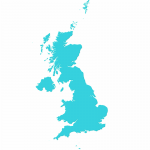
Telecoms analyst Point Topic has uploaded an interesting new map of the United Kingdom, which highlights the location of 570 telephone exchanges that aren’t on any of the current lists from BT for their superfast broadband (FTTC/P) roll-out (commercially or via the Government’s Broadband Delivery UK scheme).
26th Jun 2014 (1 Comment)
Advertisement
26th Jun 2014 (0 Comments)
Akamai, a content delivery network, has today published its latest State of the Internet report for Q1 2014 and revealed that average global broadband download speeds have increased by just 1.8% over the last quarter to 3.9Mbps (Megabits). Meanwhile the UK saw its performance rise by 5.5% to top 9.9Mbps, making us the 15th fastest country (down from 13th in Q4-2013), but most still aren’t ready for 4K video streams.
26th Jun 2014 (39 Comments)
A new study conducted by NL Kabal and Cable Europe, which is a trade association for cable operators like Virgin Media, has boldly predicted that in around 6 years’ time the average consumer demand for broadband ISP download speeds will reach a staggering 165Mbps and uploads of 20Mbps. Miles above today’s current average.
26th Jun 2014 (2 Comments)
EE has deployed their “superfast” 4G (LTE) based Mobile Broadband network to another 14 large towns (total of 229 large towns / cities and more than 2,500 villages / small towns), which raises their overall network coverage to 73% of the United Kingdom (population). But they’ll need to go a lot faster to hit the 98% target.
Advertisement
26th Jun 2014 (10 Comments)
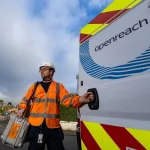
The national telecoms regulator has today confirmed that BTOpenreach, which maintains BT’s UK phone and broadband network, will from 1st July 2014 be officially required to meet tougher quality of service standards (i.e. faster installs, quicker repairs and making available more information about their performance to the public). Shorter contracts and cheaper FTTC switching are also coming.
Cheapest Big ISPs for 100Mbps+


Latest UK ISP News




News Archive Calendar
Promotion
The Top 15 Category Tags
- FTTP (7342)
- BT (4055)
- Politics (3286)
- Business (3015)
- Openreach (2853)
- Mobile Broadband (2735)
- Building Digital UK (2625)
- 4G (2314)
- Statistics (2294)
- Virgin Media (2210)
- FTTC (2171)
- 5G (1999)
- Ofcom Regulation (1908)
- Fibre Optic (1703)
- Wireless Internet (1665)


Promotion
Helpful ISP Guides and Tips










Latest Interviews





Sponsored
Copyright © 1999 to Present - ISPreview.co.uk - All Rights Reserved - Terms , Privacy and Cookie Policy , Links , Website Rules , Contact