Llangedwyn and Llanfechain in Wales Get Faster Wireless Broadband
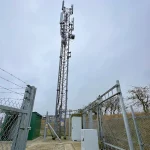
The remote rural villages of Llangedwyn and Llanfechain in Powys (Wales, UK) now have access to wireless broadband download speeds of up to 100Mbps (Megabits per second), which is all thanks to a new and curiously marketed “fibre over the air” service from local ISP eXwavia.
It’s understood that eXwavia’s engineers had to brave heavy snow and ice conditions in order to install the new service, which often required them to park their vans at the bottom of lanes and then to carry all of the equipment on foot.
Advertisement
The ISP claims that local “residents now have next generation broadband, years before Government targets“, although it should be noted that their Home packages currently only offer speeds of up to 16Mbps (below the government’s minimum NGA speed target of 25Mbps+). The cheapest 4Mbps home package is priced at £20 a month and all packages come with “unlimited” (FUP) usage.
The community apparently took advantage of the Welsh Government’s £2m Broadband Support Scheme (BSS), which offers grants worth up to £1,000 (per property) to help cover the cost of installing a new internet service. In December 2012 the ISP revealed that it planned to extend the reach of its wireless solution to cover over 27,000 households and 3,000 businesses in Powys (Wales, United Kingdom) by the end of January 2013.

Mark is a professional technology writer, IT consultant and computer engineer from Dorset (England), he also founded ISPreview in 1999 and enjoys analysing the latest telecoms and broadband developments. Find me on X (Twitter), Mastodon, Facebook, BlueSky, Threads.net and Linkedin.











« BT and Police Confirm Sharp Reduction in UK Copper Cable Crime
Site Status – ISPreview UK ISP Listings Update »













Comments are closed